By Gallardo Honoré, Port-au-Prince, Haiti
Thirteen-year-old Dieussika was living peacefully with her family before armed violence and insecurity forced them to flee.
“We had to leave our home, and my sister almost died because of her asthma,” she said.
Thirteen-year-old Dieussika was living peacefully with her family before armed violence and insecurity forced them to flee.
“We had to leave our home, and my sister almost died because of her asthma,” she said.
Haiti remains firmly in the grip of a security crisis as gangs battle for control of territory in the capital and beyond.
Insecurity has caused the displacement of hundreds of thousands of people which has added to the humanitarian and economic crises the country is grappling with.
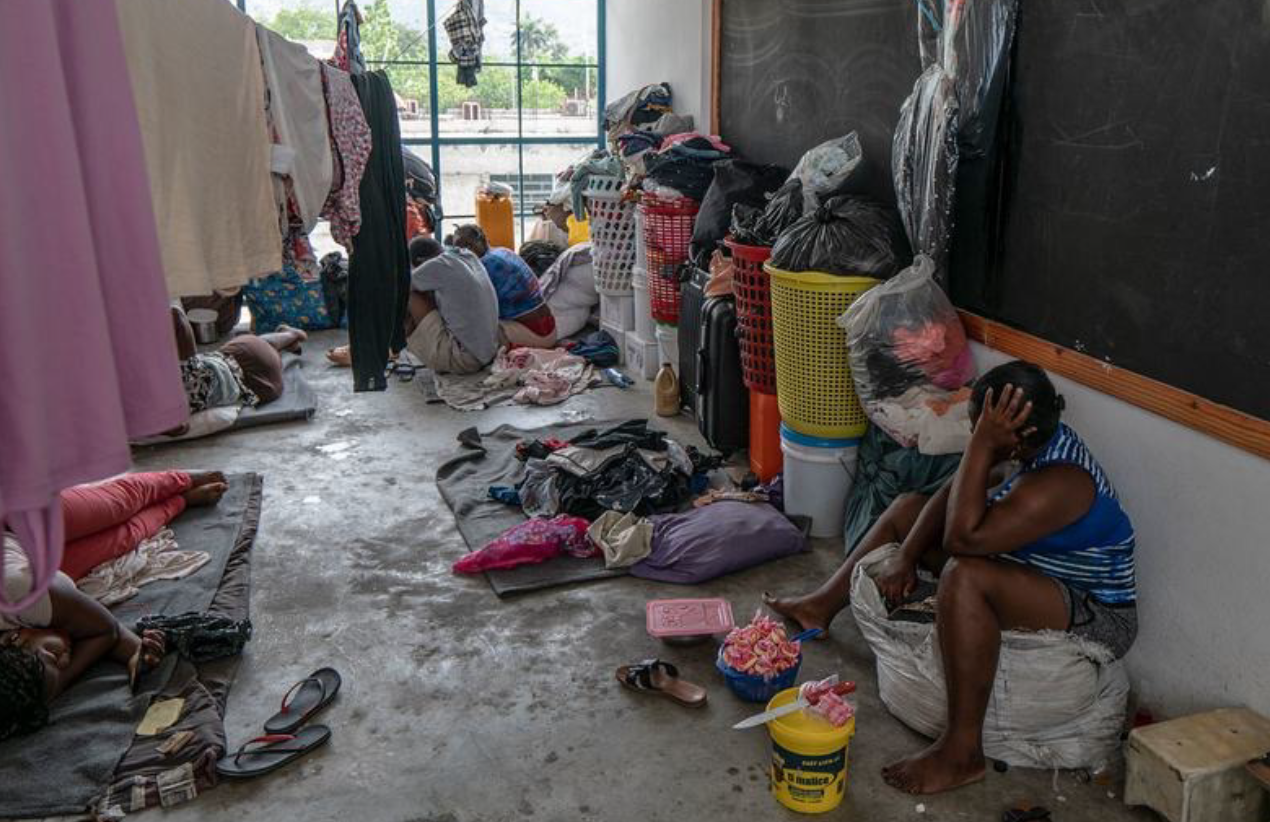
Conflict, displacement, poverty and insecurity have converged to make learning nearly impossible for hundreds of thousands of Haitian children.
During the 2024–2025 school year, many schools were directly impacted by violence, with more than 1,600 closed and dozens occupied by armed groups.
In overcrowded shelters and displacement sites, children lack access to textbooks, learning materials as well as qualified teachers.
Temporary homes
Dieussika’s family was forced to live in a number of temporary locations, but life remained difficult. “There are diseases, insects that bite… but despite everything, I wanted to continue going to school,” she says.
In one site for displaced people, she was able to resume her studies thanks to catch-up classes organized by UNICEF.
Today, she dreams of becoming someone important in society to help children and raise awareness among young people about rejecting armed violence.